The Digital Transformation of Personal Health Monitoring: From Paper Logs to Organized Systems
For decades, managing personal health information outside of a formal medical setting was an ad-hoc affair. Notes scribbled on scraps of paper, dates jotted in calendars, and a scattered collection of test results and prescription details formed the typical record. The introduction of dedicated doctor visit log books represented a significant step forward, offering a structured paper-based solution for patients and caregivers. Today, this concept has evolved dramatically with the advent of digital tools and resources, such as comprehensive digital paper packages that include detailed doctor’s visit log systems. These resources, often provided as a bundle of editable files, mark a pivotal shift in how individuals can engage with and manage their healthcare journeys.
Understanding the Core Components of a Modern Visit Log System
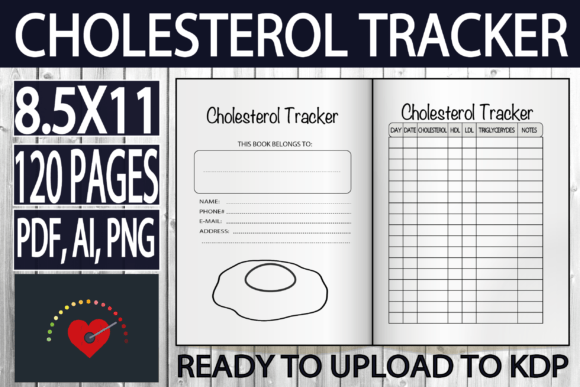
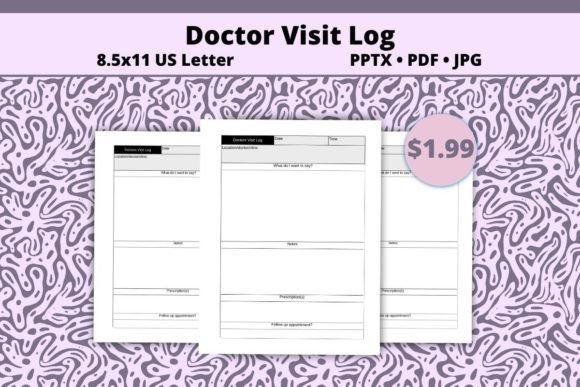
The phrase "doctor visit log" traditionally conjures an image of a physical notebook with columns for date, physician name, reason for visit, and notes. The contemporary digital interpretation expands this immensely. A typical offering, like one that includes a 120-page PDF, PPTX, and high-resolution JPG files, is not merely a single document but a versatile system. The 12x12 inch, 300 DPI JPEG digital paper serves as a foundational template—a high-quality, printable background or digital asset for creating consistent log pages. The included PowerPoint (PPTX) files provide editable templates, allowing users to customize layouts, fonts, and data fields without requiring advanced design software. The comprehensive PDF is often the ready-to-use core, a formatted log book that can be printed for physical use or annotated digitally using compatible software. This multi-format approach acknowledges the diverse ways people interact with information: some prefer tangible printouts, others need editable digital files for integration into presentations or personal digital records, and many utilize the high-quality image files for creating their own derivative materials.
Key Characteristics of an Effective Digital Health Log
An effective system transcends simple data entry. It is designed with several key characteristics. First is structured flexibility. While it provides predefined sections for vital information—appointment dates, doctor specialties, diagnoses, medications prescribed, follow-up actions—it also accommodates unstructured notes for symptoms, questions, or personal observations. Second is visual clarity and professionalism. The use of high-resolution digital paper (300 DPI) ensures that printed versions are crisp and legible, while the clean layouts in the PDF and PPTX files promote easy reading and data retrieval. Third is integration readiness. By providing files in universally accessible formats like PDF, JPG, and PPTX, these logs can be easily incorporated into other personal health management systems, stored on cloud drives, or shared securely with family members or other healthcare providers.
The Broad Audience and Diverse Use Cases
The utility of a detailed doctor’s visit log system extends far beyond the individual patient. Its application is relevant to a surprisingly wide audience, each with distinct needs.
- Patients Managing Chronic Conditions: For individuals with diabetes, heart disease, autoimmune disorders, or other long-term conditions, regular appointments are frequent. A centralized log becomes indispensable for tracking treatment progression, medication changes, and test results over months or years, providing a clear narrative that can inform conversations with specialists.
- Caregivers and Family Advocates: Those caring for elderly parents, children with special needs, or other dependents often coordinate care between multiple providers. A shared or master log book helps maintain continuity, ensuring that notes from a neurologist are available to the primary care physician and that therapy schedules are aligned.
- Health Researchers and Educators: Academics and teachers might use these structured templates as tools for patient education projects, for simulating clinical documentation in training scenarios, or for organizing research data collected from patient interviews in a standardized format.
- Professionals in Wellness and Coaching: Nutritionists, fitness coaches, and mental wellness practitioners can adapt these logs to track client sessions, progress metrics, and wellness plans, borrowing the medical model's rigor for broader health applications.
- Hobbyists in Health Informatics: Individuals interested in personal data analytics, biohacking, or simply maintaining a comprehensive personal record find these systems provide a structured foundation for self-study and pattern recognition in their own health data.
- Business Owners in Healthcare Services: Small clinic owners or independent practitioners might utilize the editable PPTX templates to design and brand their own patient-facing visit summary sheets or after-visit note templates, enhancing their service offerings.
Practical Advantages Over Ad-hoc Methods
Moving from fragmented notes to a unified digital paper system offers tangible benefits that directly impact health outcomes and personal organization.
One primary advantage is enhanced preparedness for appointments. Arriving at a doctor's office with a concise log of recent symptoms, medication reactions, and previous discussion points empowers the patient and makes the consultation more efficient and productive. It reduces reliance on memory, which can be faulty under stress.
Another critical benefit is improved medication and treatment adherence. A clear log that lists prescriptions, their start dates, and intended purposes serves as a reliable reference, reducing the risk of missed doses or confusion about medication cycles. This is particularly vital when multiple drugs are involved.
Communication across care teams is significantly streamlined. When a patient is referred to a new specialist, a well-maintained log can be shared (in part or whole) to provide context, preventing the new provider from starting with a blank slate. This continuity can avoid redundant tests and accelerate accurate diagnosis.
Finally, there is the advantage of personal health advocacy and insight generation. By consistently logging visits, a patient can over time identify patterns—perhaps noting that certain symptoms flare after specific activities or that a particular treatment consistently yields better results. This data turns the patient into an informed participant in their own care, capable of asking more nuanced questions and making better collaborative decisions with their healthcare providers.
Considerations for Implementation and Effective Use
Adopting any new system requires some forethought. The decision to use a digital paper doctor visit log book involves practical considerations. The choice between printing the full PDF for physical use or maintaining a digital copy depends on individual habit and access. Physical books are tangible and portable but risk loss or damage; digital files stored on secure drives offer permanence and easy searchability but require consistent digital discipline to update. The editable PPTX files offer customization, but users must assess their own comfort with software like PowerPoint to modify templates effectively. Furthermore, while these logs are powerful tools for organization, they are personal documents containing sensitive information. Security practices—such as password-protecting files, using secure cloud storage, and careful sharing—are paramount.
Observing the Workflow Integration
How does such a system fit into a person's actual routine? A natural workflow might begin after a medical appointment. The user, whether a patient or caregiver, would open their chosen format—perhaps the printed PDF book or a digital note-taking app where the JPG digital paper is set as a background. They would record the date, doctor's name and specialty, and the primary reason for the visit. Under notes, they would summarize the doctor's diagnosis, key advice, and any prescribed actions. A separate section might be used to list new medications, including dosage and instructions. Future actions, like scheduled tests or follow-up appointments, would be logged with their dates. This entry becomes a single, comprehensive page or file for that encounter. Over time, these entries create a chronological health journal. Before the next appointment, reviewing the last few entries provides a quick refresher, and preparing a list of new questions based on observed patterns becomes a straightforward task.
The inclusion of multiple file types specifically supports diverse workflows. A researcher might use the JPG files as backgrounds in a data visualization tool. A educator might pull slides from the PPTX to create a teaching module on patient documentation. A business owner might extract pages from the PDF to include in a welcome packet for new clients. This versatility is a core strength of the modern digital package approach, moving the concept of a "log book" from a static product to a dynamic resource.
The Evolution from Passive Recording to Active Management
The most profound impact of adopting a detailed system is the shift in mindset it encourages. A simple notepad recording is passive—a snapshot of an event. A structured log book, especially one designed with clear sections for future actions and follow-ups, promotes active health management. It nudges the user to not just record what happened, but to plan what needs to happen next. It turns the record into a planning tool. This active management is crucial in modern healthcare, where patients are increasingly expected to be partners in complex, often longitudinal care plans. The physical or digital artifact becomes an interface for that partnership.
The trend towards personal health technology and data ownership continues to grow. In this context, resources like a detailed digital paper doctor’s visit log book serve as accessible, non-technical gateways. They don't require syncing with hospital EHRs or learning new software platforms; they provide immediate structure using familiar formats. They represent a pragmatic middle ground between the chaos of unstructured notes and the complexity of full-fledged health apps. For a broad spectrum of users—from a parent tracking a child's vaccinations to a retiree managing multiple specialist appointments—this middle ground is where practical, reliable health organization truly lives. By providing the templates, the high-quality assets, and the ready-to-use documents, these systems empower individuals to build their own unique, effective health management framework, one visit log at a time.