Your Blueprint for Financial Visual Design
Imagine a design asset that combines meticulous organization with clean, modern aesthetics, ready to elevate your creative projects around personal finance and productivity. This is the practical value of a well-crafted Monthly Budget Planner Interior, a versatile template designed to be both a functional tool and a source of design inspiration. From a professional graphic design perspective, such resources are more than just pages; they are structured frameworks that teach visual hierarchy, clarity, and user-focused layout.
A Foundation for Streamlined Visual Communication
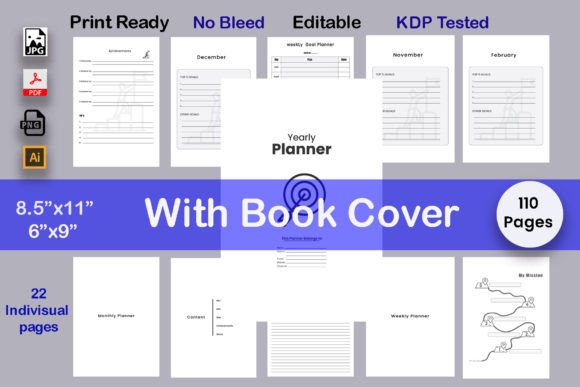
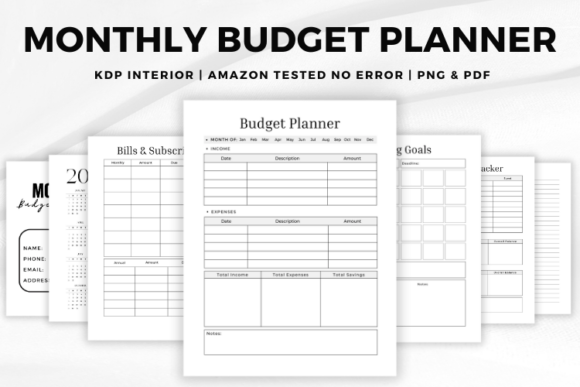
At its core, this planner interior exemplifies effective editorial design. With its 7 different pages—including dedicated sections for an info page, calendar, notes, budget planner, expense tracker, saving goals, and bills—it presents a complete system. The provided specs, like the 8.5x11-inch size, 110 pages, and high-resolution PNG files with no bleed, speak to professional presentation and print-ready quality. For designers and creators, this translates into a tested, reliable asset. Its readiness for platforms like Amazon KDP means it's been scrutinized for usability, freeing you to focus on customization and brand integration.
Integrating Design into Functional Applications
How can such a template impact your creative workflow? Its structured layout serves as a perfect starting point for numerous applications beyond a simple planner. The clean, compartmentalized design can inspire:
- Branding & Digital Products: Use the cohesive page structure as a base for creating a suite of branded financial tools, ensuring consistency across your offerings.
- Marketing Materials & Social Media Graphics: Extract sections like the saving goals or calendar to create engaging infographics or campaign visuals that promote financial wellness.
- Website & UI Design: The clear informational hierarchy and typography choices can inform the layout of dashboard elements in fintech apps or educational websites.
- Editorial & Print Design: The template’s balance of text and space is a lesson in creating readable, user-friendly documents for reports or guides.
Evaluating and Applying the Visual Elements
When leveraging a template like this, the key is to see it as a flexible system. Your design goals should guide how you adapt its elements. Consider the color palette and typography; these are your primary tools for injecting brand identity. A cohesive color scheme can transform the planner from a generic tool into a branded asset that resonates with your target audience. The typography must prioritize readability and scalability, ensuring the design remains clear whether printed or viewed digitally.
The composition of the pages—with dedicated areas for data entry, notes, and tracking—demonstrates a thoughtful approach to user experience (UX). This visual hierarchy guides the user naturally through the financial process, a principle that is directly applicable to improving communication in any complex informational design. The high-resolution file format ensures that any imagery or graphical elements you add will maintain quality, supporting a polished final product.
From Template to Tailored Creative Asset
The true power lies in customization. The downloadable, editable PDF and PNG files provide a canvas. You can overlay your logo design, adjust the color palette to match your brand identity, and even rework layouts to suit specific campaigns or merchandise. This adaptability makes it a powerful asset for digital marketing materials, presentations, or even packaging design for physical product bundles. It encourages a design workflow where structure supports creativity, not limits it.
Ultimately, thoughtful design choices in resources like a Monthly Budget Planner Interior underscore how quality creative assets bridge aesthetics and function. They provide a reliable foundation upon which you can build compelling visual narratives, strengthen brand communication, and deliver superior user experiences. Whether you're a designer crafting a client's financial toolkit or a business owner creating valuable content for your audience, starting with a professionally structured, visually clear template is a strategic step towards achieving both beauty and clarity in your projects.